
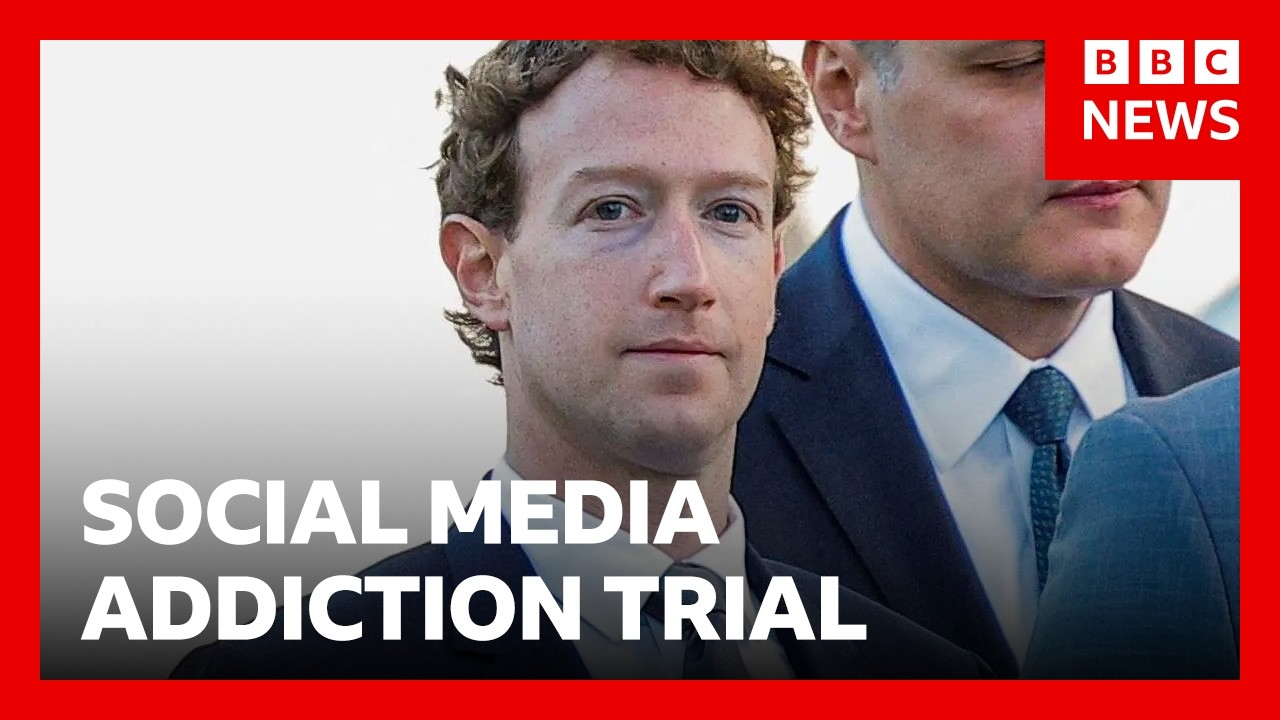
Summary
On March 25, 2026, a jury found **Meta** and **YouTube** negligent in a landmark case concerning social media addiction, ruling that their design features contributed to mental health distress in a young user. This verdict marks a significant moment in the ongoing debate over the responsibilities of tech giants in safeguarding user well-being. The implications of this ruling could extend beyond just these two companies, potentially setting a precedent for future cases against social media platforms. As public scrutiny of digital addiction intensifies, the outcome of this trial raises questions about the ethical design of technology and its impact on mental health.
Key Takeaways
- A jury found Meta and YouTube negligent in a landmark social media addiction case.
- The ruling is based on evidence that design features contributed to mental health distress.
- This case may set a precedent for future lawsuits against tech companies.
- Critics warn that the ruling could lead to stifled innovation and frivolous lawsuits.
- The outcome raises important questions about the ethical responsibilities of social media platforms.
Balanced Perspective
The jury's decision reflects a growing concern about the impact of social media on mental health, particularly among younger users. Evidence presented during the trial indicated that specific design features of Meta and YouTube's platforms were intentionally addictive, contributing to the plaintiff's distress. While the ruling is significant, it remains to be seen how these companies will respond and what changes, if any, will be implemented in their design practices. The case underscores the ongoing tension between user engagement and mental health considerations in the tech industry.
Optimistic View
This ruling could herald a new era of accountability for tech companies, pushing them to prioritize user safety over engagement metrics. With a growing awareness of the mental health implications of social media, this case may inspire stronger regulations and ethical design practices across the industry. If Meta and YouTube are compelled to change their algorithms, it could lead to healthier online environments for users, particularly vulnerable populations like children and teens. The verdict may also empower other affected individuals to seek justice, potentially leading to a wave of similar lawsuits that could reshape the landscape of digital interaction.
Critical View
Critics argue that this ruling may not lead to meaningful change in the tech industry, as companies like Meta and YouTube have vast resources to appeal and potentially overturn the verdict. There is concern that the ruling could set a precedent for frivolous lawsuits, leading to an environment where innovation is stifled by fear of litigation. Moreover, the complexity of addiction and mental health issues means that attributing responsibility solely to social media platforms may overlook other contributing factors. This case could also lead to increased censorship or overly restrictive measures that might limit free expression online.
Source
Originally reported by The New York Times