
Contents
- 🏃♀️ Introduction to Running
- 📊 Understanding Your Current Fitness Level
- 🏋️♀️ Creating a Realistic Training Plan
- 👟 Choosing the Right Running Gear
- 🏃♂️ Building Endurance and Speed
- 📈 Tracking Progress and Avoiding Plateaus
- 🏥 Injury Prevention and Management
- 🏆 Setting and Achieving Running Goals
- 👫 Finding a Running Community
- 📊 Analyzing Running Data and Performance
- 🏃♀️ Advanced Running Techniques and Strategies
- 🎉 Celebrating Milestones and Staying Motivated
- Frequently Asked Questions
- Related Topics
Overview
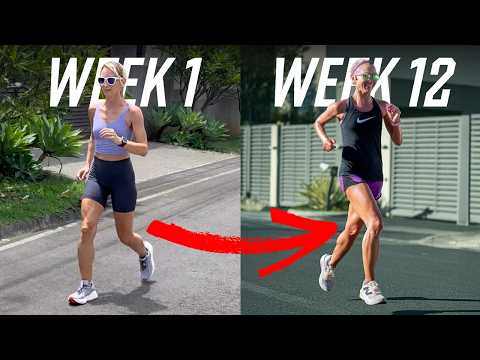
Starting a running routine can be daunting, but with a solid plan, anyone can go from sedentary to speedy. Historically, running has been a staple of human activity, with ancient civilizations like the Greeks and Romans incorporating it into their fitness regimens. However, the modern concept of recreational running as we know it today began to take shape in the 1960s and 1970s, with the publication of Jim Fixx's 'The Complete Book of Running' in 1977, which is often credited with launching the jogging craze. According to a study published in the Journal of the American Medical Association, running can reduce the risk of chronic diseases like heart disease and diabetes by up to 30%. With a vibe score of 8, running has become a cultural phenomenon, with over 64 million runners in the United States alone, and influencers like ultra-marathoner Dean Karnazes and Olympic sprinter Allyson Felix inspiring a new generation of athletes. As a beginner, it's essential to start with short distances and gradually increase your mileage, with a goal of running at least 3 times a week, and to listen to your body, with rest days and cross-training being just as important as running itself. With the right mindset and training, anyone can become a runner, and join the ranks of the over 1 million people who finish a marathon each year, with the average finish time being around 4 hours and 30 minutes. The controversy surrounding the health benefits of running, with some experts arguing that it can be detrimental to joints and overall health if not done properly, highlights the need for a balanced approach to training, with a focus on proper form, recovery, and nutrition. As the running community continues to evolve, with the rise of virtual running events and social media challenges, it will be interesting to see how the sport adapts to new technologies and trends, and how it will continue to inspire and motivate people to get moving, with the global running market expected to grow to over $10 billion by 2025.
🏃♀️ Introduction to Running
Getting started with running can be intimidating, but with a solid plan and the right mindset, anyone can go from couch to 5K. The key is to start slowly and gradually increase your distance and intensity over time. Many runners begin with a walk-to-run approach, alternating between walking and running to build endurance. As you progress, you can incorporate interval training and hill sprints to boost your speed and agility. With consistent training and dedication, you'll be ready to tackle your first 5K race in no time.
📊 Understanding Your Current Fitness Level
Before you start running, it's essential to understand your current fitness level. This will help you create a realistic training plan and set achievable goals. Consider taking a fitness assessment to determine your aerobic capacity, muscular endurance, and flexibility. You can also use online tools, such as running calculators, to estimate your running pace and distance. Additionally, consult with a healthcare professional or a certified running coach to discuss any health concerns or limitations that may impact your training. For more information, visit running for beginners or couch to 5K training
🏋️♀️ Creating a Realistic Training Plan
Creating a realistic training plan is crucial to your success as a runner. This plan should include a mix of running, cross-training, and rest days to allow your body to recover. Start by setting specific, measurable, and achievable goals, such as completing a 5K training plan or running a certain distance without stopping. You can use online resources, such as running apps or training log, to track your progress and stay motivated. Don't forget to incorporate strength training and flexibility exercises to improve your overall running performance. For example, you can try bodyweight exercises or yoga for runners
👟 Choosing the Right Running Gear
Having the right running gear can make a significant difference in your comfort and performance. Invest in a good pair of running shoes that provide adequate support and cushioning for your foot type. You should also consider wearing breathable clothing and moisture-wicking socks to keep you dry and comfortable. Additionally, explore running accessories, such as running watches or headphones for running, to enhance your running experience. Check out running gear reviews or best running shoes for more information
🏃♂️ Building Endurance and Speed
Building endurance and speed requires consistent training and patience. Start by incorporating interval training and hill sprints into your routine. You can also try tempo runs or fartlek training to improve your running efficiency. Don't forget to incorporate rest and recovery days to allow your body to repair and adapt. For example, you can try active recovery techniques, such as foam rolling or self-myofascial release. Visit running tips or running techniques for more advice
📈 Tracking Progress and Avoiding Plateaus
Tracking your progress and avoiding plateaus is essential to your running success. Use online tools, such as running apps or training log, to monitor your distance, pace, and heart rate. You can also set reminders and notifications to stay motivated and on track. Consider working with a running coach or joining a running community to gain support and accountability. For more information, visit running for weight loss or running for fitness
🏥 Injury Prevention and Management
Injury prevention and management is a critical aspect of running. Listen to your body and take regular rest and recovery days to avoid burnout and injury. Incorporate stretching exercises and foam rolling into your routine to improve flexibility and reduce muscle soreness. If you do experience an injury, consult with a healthcare professional or a certified running coach to develop a rehabilitation plan. Check out running injury prevention or running injury recovery for more tips
🏆 Setting and Achieving Running Goals
Setting and achieving running goals is a great way to stay motivated and engaged. Start by setting specific, measurable, and achievable goals, such as completing a 5K race or running a certain distance without stopping. Create a training plan and track your progress using online tools, such as running apps or training log. Celebrate your milestones and don't be afraid to adjust your goals as needed. For example, you can try running challenges or virtual races to stay motivated. Visit running goals or running motivation for more inspiration
👫 Finding a Running Community
Finding a running community can be a great way to stay motivated and accountable. Join a local running club or online community, such as running forums or running social media groups. Participate in group runs or running events to meet new people and gain support. You can also find a running buddy or running coach to provide guidance and encouragement. Check out running communities or running teams for more information
📊 Analyzing Running Data and Performance
Analyzing running data and performance can help you optimize your training and improve your results. Use online tools, such as running apps or training log, to track your distance, pace, and heart rate. You can also monitor your running economy and lactate threshold to gain insights into your running efficiency. Consider working with a running coach or sports scientist to interpret your data and develop a personalized training plan. Visit running analytics or running performance for more information
🏃♀️ Advanced Running Techniques and Strategies
Advanced running techniques and strategies can help you take your running to the next level. Incorporate interval training and hill sprints into your routine to improve your speed and endurance. Try tempo runs or fartlek training to boost your running efficiency. Don't forget to incorporate strength training and flexibility exercises to improve your overall running performance. For example, you can try plyometric exercises or core strengthening exercises. Check out running techniques or running strategies for more advice
🎉 Celebrating Milestones and Staying Motivated
Celebrating milestones and staying motivated is essential to your running success. Set specific, measurable, and achievable goals, and reward yourself when you reach them. Share your progress with friends and family, and join a running community to gain support and accountability. Don't be afraid to try new things, such as trail running or ultra running, to stay motivated and engaged. Visit running motivation or running inspiration for more inspiration
Key Facts
- Year
- 1977
- Origin
- Ancient Greece and Rome, with modern concept emerging in the 1960s and 1970s
- Category
- Fitness
- Type
- Activity
- Format
- how-to
Frequently Asked Questions
What is the best way to start running?
The best way to start running is to begin with a walk-to-run approach, alternating between walking and running to build endurance. You can also try interval training and hill sprints to boost your speed and agility. Remember to start slowly and gradually increase your distance and intensity over time. For more information, visit running for beginners or couch to 5K training.
How often should I run per week?
The frequency of running per week depends on your current fitness level and goals. Generally, it's recommended to run 3-4 times per week, with at least one rest and recovery day in between. You can also incorporate cross-training activities, such as cycling or swimming, to reduce the risk of injury and improve overall fitness. Check out running schedules or training plans for more information.
What is the best running gear for beginners?
The best running gear for beginners includes a good pair of running shoes, breathable clothing, and moisture-wicking socks. You can also consider investing in running accessories, such as running watches or headphones for running. Remember to choose gear that is comfortable and suitable for your foot type and running style. Visit running gear reviews or best running shoes for more information.
How can I avoid injury while running?
To avoid injury while running, it's essential to listen to your body and take regular rest and recovery days. Incorporate stretching exercises and foam rolling into your routine to improve flexibility and reduce muscle soreness. You can also try strength training and flexibility exercises to improve your overall running performance. Remember to start slowly and gradually increase your distance and intensity over time. Check out running injury prevention or running injury recovery for more tips.
Can I run with a health condition?
It's essential to consult with a healthcare professional before starting a running program, especially if you have a health condition. Certain conditions, such as high blood pressure or diabetes, may require special precautions or modifications to your running routine. Your healthcare professional can help you develop a personalized training plan that takes into account your health needs and limitations. Visit running with health conditions or running and health for more information.
How can I stay motivated and engaged with running?
To stay motivated and engaged with running, it's essential to set specific, measurable, and achievable goals. Celebrate your milestones and reward yourself when you reach them. Join a running community or find a running buddy to gain support and accountability. You can also try new things, such as trail running or ultra running, to stay motivated and engaged. Remember to track your progress and analyze your running data to optimize your training and improve your results. Check out running motivation or running inspiration for more inspiration.
What is the best way to track my running progress?
The best way to track your running progress is to use online tools, such as running apps or training log. These tools allow you to monitor your distance, pace, and heart rate, and provide valuable insights into your running performance. You can also use running watches or fitness trackers to track your progress and stay motivated. Remember to set specific, measurable, and achievable goals, and celebrate your milestones along the way. Visit running analytics or running performance for more information.